An employee exit process coordinates the people, security, payroll, documentation, asset, and knowledge-transfer activities required when employment ends. A clear offboarding workflow helps HR, managers, IT, payroll, finance, facilities, and other teams understand what they own and when each task must occur. The exact requirements depend on the reason for departure, employment terms, company policy, and applicable law.
What Is an Employee Exit Process?
An employee exit process is the coordinated workflow used to manage a resignation, retirement, dismissal, redundancy, contract completion, or other end of employment. It commonly covers departure confirmation, knowledge transfer, final pay and benefits, company-property return, system and premises access, required records, internal communication, and optional feedback.
“Employee offboarding” and “employee exit process” are often used interchangeably. Some organizations use “exit process” for the overall separation and “offboarding” for the operational tasks within it.
The process should be adapted to the circumstances. Voluntary and involuntary departures can require different timelines, communication, security, and support. Final pay, accrued leave, benefits, required notices, record retention, and exit documentation vary by jurisdiction and employment arrangement, so HR should follow current legal advice and organizational policy.

Why Does Your Company Need an Employee Exit Process?
Without a coordinated process, departures can create missed handoffs, delayed payroll actions, retained system access, unreturned assets, inconsistent communication, incomplete records, and loss of operational knowledge.
A documented employee exit process helps teams:
- Assign responsibility for HR, manager, IT, payroll, finance, facilities, and communication tasks.
- Schedule knowledge transfer and identify the next owner for active work.
- Recover company property and remove or transfer access at the appropriate time.
- Apply company policy consistently while accommodating the circumstances of each departure.
- Record completion evidence for security, audit, and operational review.
- Offer departing employees clear instructions and appropriate support.
- Gather voluntary feedback while protecting confidentiality and personal data.
A checklist reduces omissions, but it does not itself create legal compliance or a positive employee experience. The underlying policy, timing, access controls, communication, and accountable follow-through must also be appropriate.
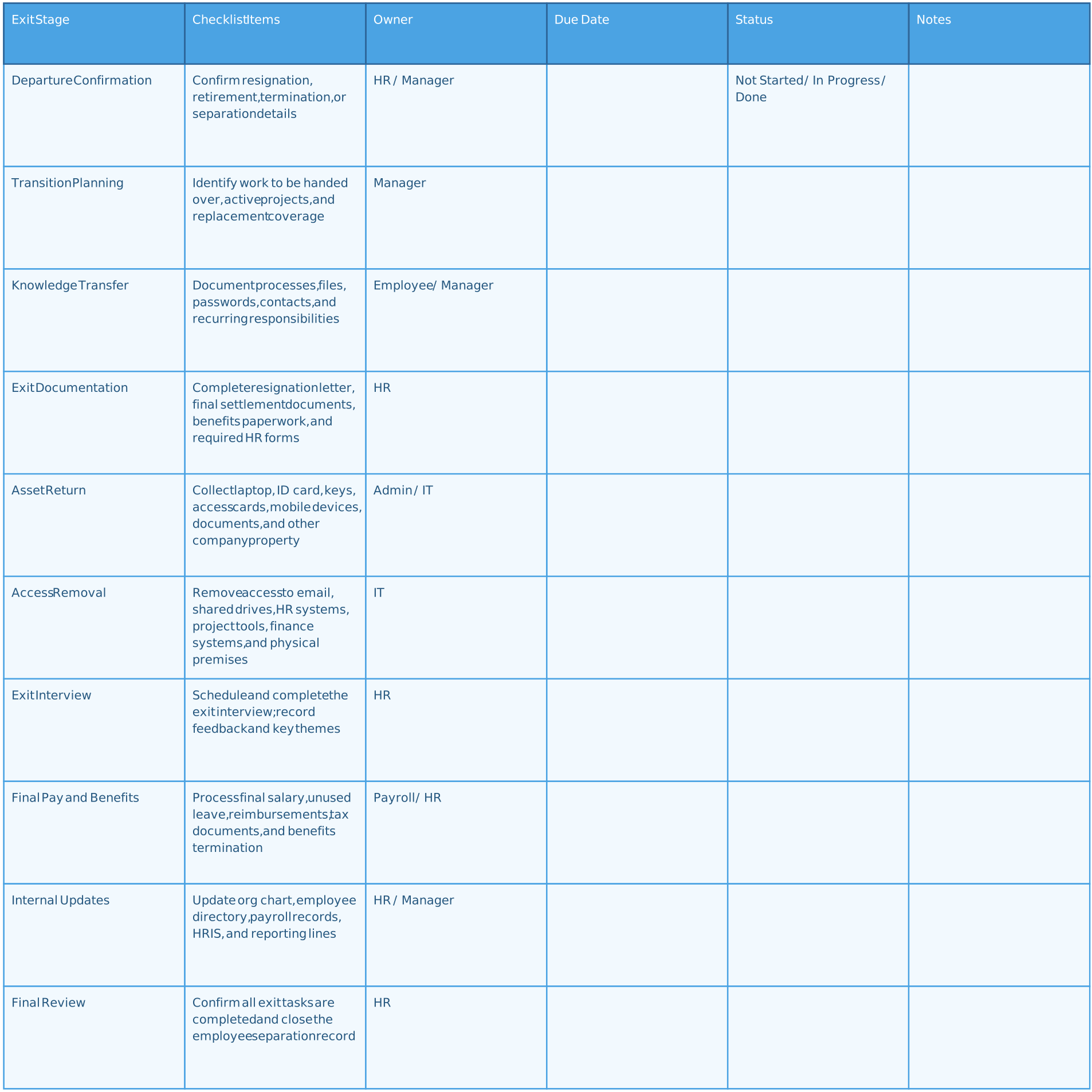
Employee Exit Process Checklist
Use this employee exit checklist to make sure every resignation, retirement, termination, or internal separation is handled consistently. HR teams can adapt it into an editable offboarding checklist to track tasks, owners, deadlines, and completion status.
| Stage | Checklist Items |
| Confirm the Exit | Confirm the employee’s last working day, reason for departure, notice period, and reporting manager approval. |
| Communicate the Departure | Notify HR, payroll, IT, the direct manager, and relevant team members. Plan internal or external communication if needed. |
| Prepare Exit Documentation | Collect resignation letters, termination documents, final settlement records, benefits paperwork, NDAs, and compliance forms. |
| Plan Knowledge Transfer | Identify critical responsibilities, active projects, process documentation, account or credential ownership, client handovers, and replacement training needs. Do not ask employees to share personal passwords. |
| Recover Company Assets | Collect laptops, ID cards, keys, access cards, mobile devices, documents, uniforms, or any assigned equipment. |
| Revoke Access | Disable access to email, software, shared drives, HR systems, project tools, financial systems, and physical premises. |
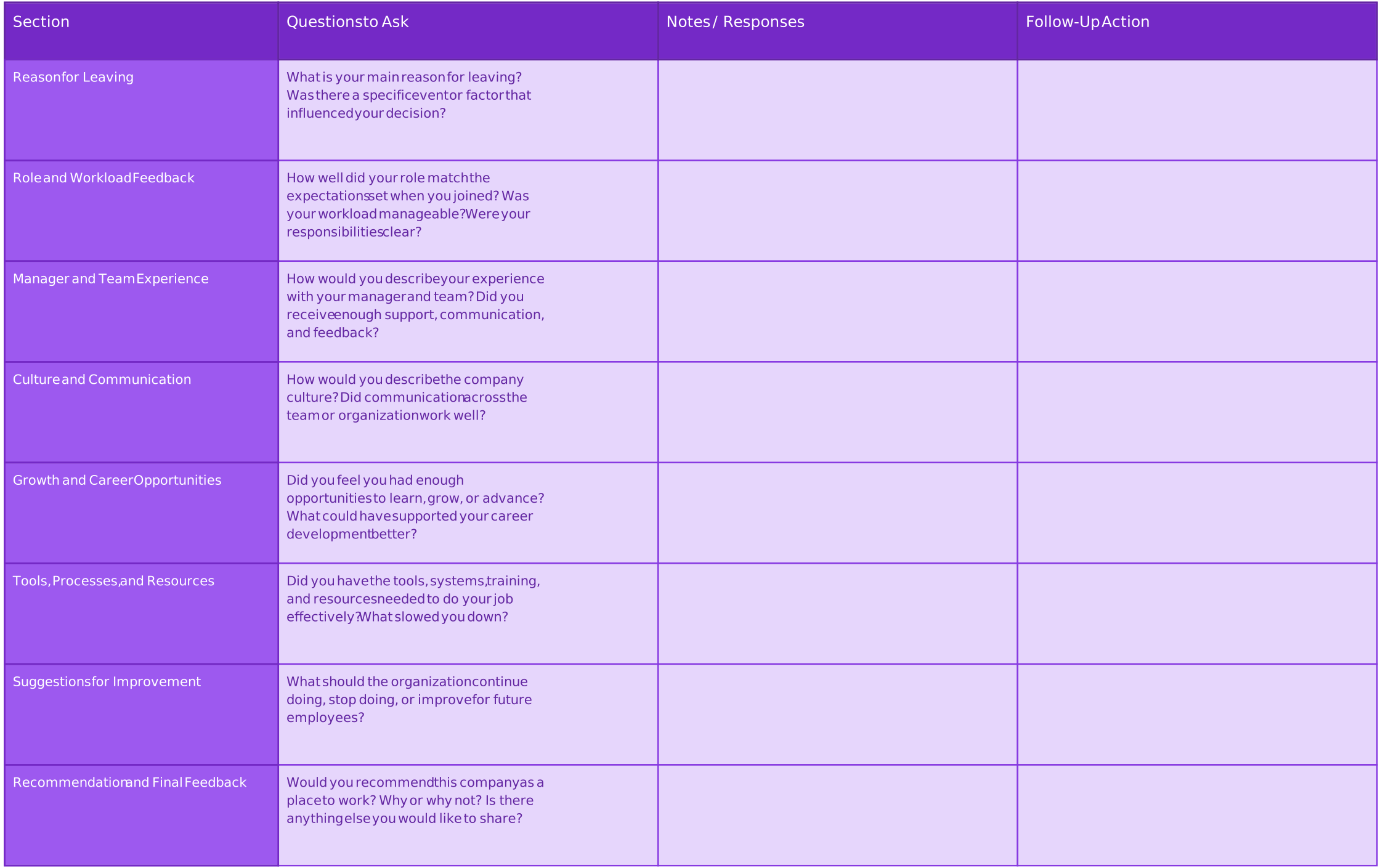
| Conduct the Exit Interview | Gather feedback on the employee experience, management, workload, culture, and reasons for leaving. |
| Process Final Pay and Benefits | Coordinate final salary, accrued leave, reimbursements, tax documents, benefits changes, and retirement-plan actions according to applicable law, employment terms, and policy. |
| Update Internal Records | Update the org chart, employee directory, payroll system, HRIS, reporting lines, and team documentation. |
| Support the Transition | Provide required employment documents and offer reference letters, service letters, alumni information, or transition support where applicable and permitted. |
Track every HR, IT, payroll, manager, and admin task involved in an employee’s exit with our employee exit checklist template.
Steps in the Employee Exit Process
Step 1: Confirm the Employee’s Departure
The employee exit process starts when an employee submits a resignation, retirement notice, or when the organization confirms a termination or separation. HR should confirm the final working day, notice period, reason for departure, and any immediate next steps with the employee’s manager.
Step 2: Plan the Handover and Transition
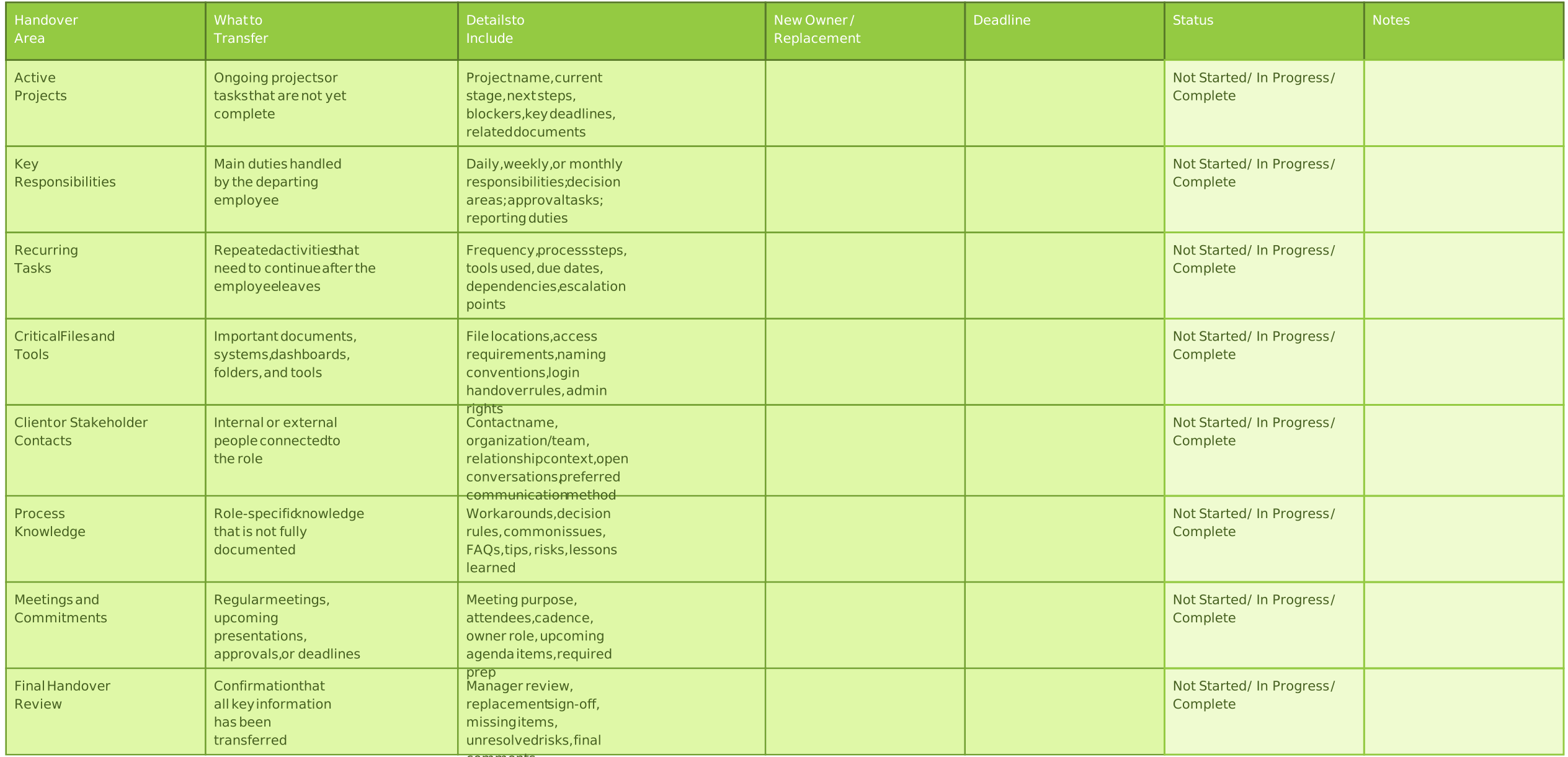
Work with the employee’s manager to identify active projects, recurring responsibilities, key contacts, documents, and tasks that need to be transferred. A clear handover plan helps the team continue work smoothly after the employee leaves.
Step 3: Complete Exit Paperwork and Final Payments
HR should identify the required notices and records, update employee information, and coordinate final salary, accrued leave, reimbursements, benefits, and tax or retirement actions. Requirements and deadlines vary by jurisdiction, contract, collective agreement, and policy; use the organization’s approved legal and payroll guidance.
Step 4: Recover Company Assets and Remove Access
Coordinate with IT, security, administration, and facilities to inventory company property and schedule account, credential, email, shared-drive, application, and premises-access changes. Timing should reflect the departure type and security policy: some access may require immediate revocation, while other accounts or records may need controlled transfer to an authorized owner.
Step 5: Conduct the Exit Interview
Offer a voluntary exit interview or survey where appropriate. Explain how feedback will be used and protected, avoid promises of anonymity the organization cannot keep, and provide a separate channel for allegations or sensitive concerns. Review aggregated patterns carefully rather than drawing conclusions from a single departure.
Step 6: Update Internal Teams and Systems
Update HR and payroll systems, directories, org charts, distribution lists, workflow ownership, and relevant documentation. Communicate only the information colleagues or external contacts need, and confirm that every transferred responsibility has a named owner.
Employee Offboarding Best Practices
- Define triggers, owners, and timing: Specify how HR learns about a departure, which workflow applies, who owns each task, and when access, pay, assets, records, and communication must be handled.
- Use role-based checklists: A single checklist may not fit resignations, retirements, involuntary separations, contractors, remote employees, or regulated roles. Use conditional steps where requirements differ.
- Coordinate access and asset controls: Maintain an inventory of accounts, permissions, devices, keys, cards, and other company property. Confirm completion rather than assuming a request was actioned.
- Plan knowledge transfer: Prioritize active work, recurring responsibilities, critical contacts, decision history, and approved process documentation. Transfer account ownership through authorized administrative controls rather than sharing passwords.
- Communicate respectfully and proportionately: Give the departing employee clear instructions and inform colleagues, customers, or partners only when necessary. Protect personal information and follow approved communication plans.
- Handle exit feedback carefully: Make participation voluntary where appropriate, explain confidentiality limits, separate sensitive reports from routine feedback, and analyze recurring themes rather than isolated comments.
- Review the process: Track missed tasks, access-removal exceptions, asset-return gaps, payroll corrections, and handover issues. Assign an owner to update the workflow when policy, systems, roles, or law change.
Ready-to-Use Templates for the Employee Exit Process
1. Employee Handover Plan Template
Use this employee handover plan template to make sure important work, knowledge, files, contacts, and responsibilities are transferred before an employee leaves. It helps the departing employee, manager, and next owner see what must be transferred, who will own it, when it is due, and what remains incomplete.
2. Exit Interview Template
Use this exit interview template to collect structured, honest feedback from departing employees. It helps HR teams understand why employees leave, identify patterns in employee experience, and improve retention, culture, management, and internal processes.
3. Employee Asset Return Checklist
Use this employee asset return checklist to track company property assigned to a departing employee. It helps HR, IT, admin, and facilities teams confirm what needs to be returned, who is responsible for collecting it, and whether each item has been checked before the employee’s final day.

4. Employee Separation Process Template
Use this employee separation process template to manage different types of employee exits in a consistent and organized way. It helps HR teams handle voluntary and involuntary separations, keep documentation aligned, coordinate with managers and internal teams, and make sure each type of exit follows the right process.
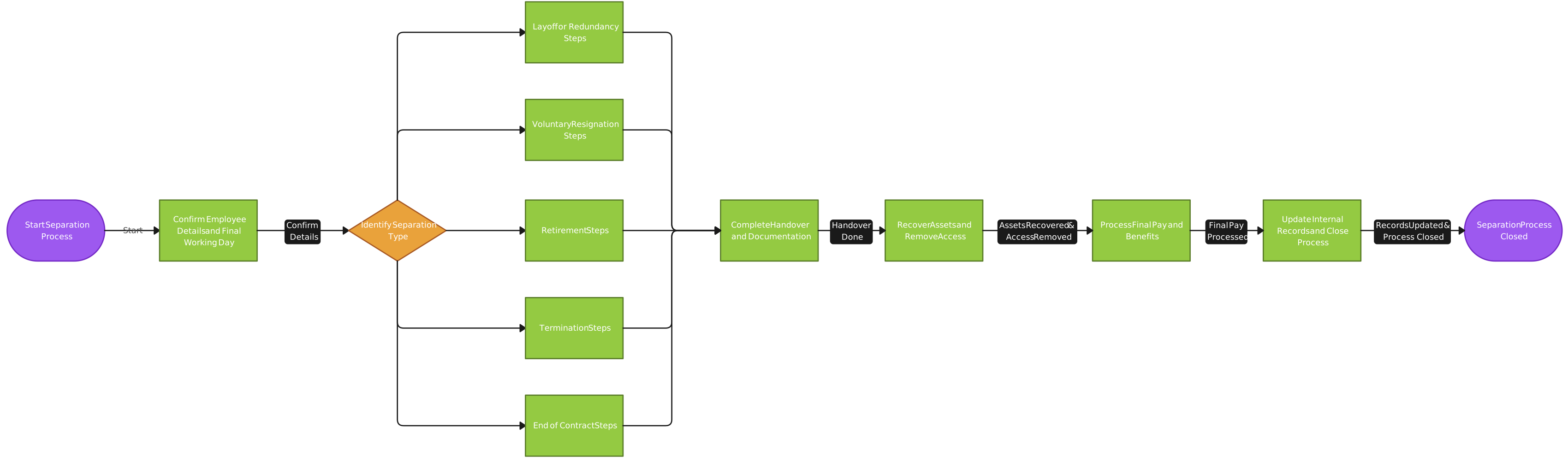
Creately’s process mapping software helps teams visualize the employee exit workflow, clarify handoffs, and connect the context needed to complete each stage.
- Map different paths for resignation, retirement, contract completion, and involuntary separation.
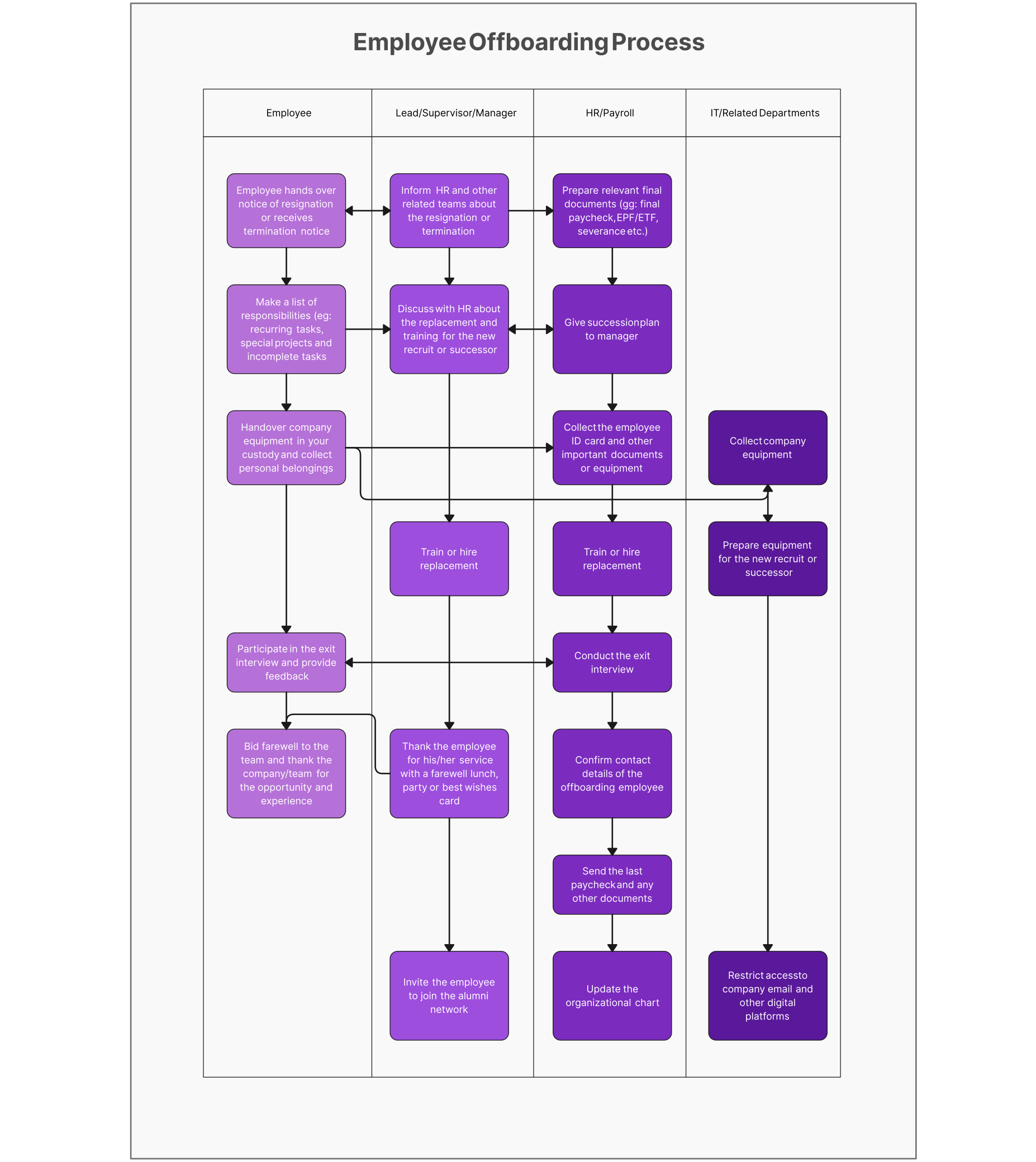
- Use swimlanes or ownership details to show which tasks belong to HR, the manager, IT, payroll, finance, security, or facilities.
- Add notes, links, files, and supporting details to relevant steps without placing sensitive employee information directly on a broadly shared map.
- Use real-time editing, comments, and @mentions to review the workflow and discuss improvements in context.
- Link related diagrams or documentation when a handover, access-removal, payroll, or asset-return subprocess needs more detail.
Creately supports collaborative review, but it should not be described as a formal approval or compliance system unless the organization has configured and validated that workflow. Keep the map as living process documentation: assign an accountable owner, control access appropriately, and update it when policy, systems, responsibilities, or legal guidance change.
How the Employee Exit Process Helps HR Teams
A structured process can help HR coordinate cross-functional work, identify missing tasks, and produce clearer completion evidence. It also supports:
- Operational continuity: Managers can transfer responsibilities and critical knowledge to named owners.
- Security coordination: HR and technical teams can align access changes and asset recovery with the departure timeline.
- Payroll and documentation coordination: Owners can track required actions without assuming that a checklist creates legal compliance.
- Employee experience: Clear instructions and respectful communication reduce avoidable confusion.
- Process improvement: Aggregated feedback and operational exceptions can reveal recurring issues that warrant investigation.
Wrapping Up
An effective employee exit process combines clear ownership, appropriate access controls, reliable handoffs, accurate payroll and documentation, respectful communication, and evidence that required tasks were completed. The workflow must account for the departure type and applicable law rather than applying one sequence without exception.
Use the checklist and templates as starting points, then adapt them to approved HR, security, payroll, privacy, records, and legal requirements. Review the process regularly and update its owner, steps, and supporting documentation when the organization changes.