


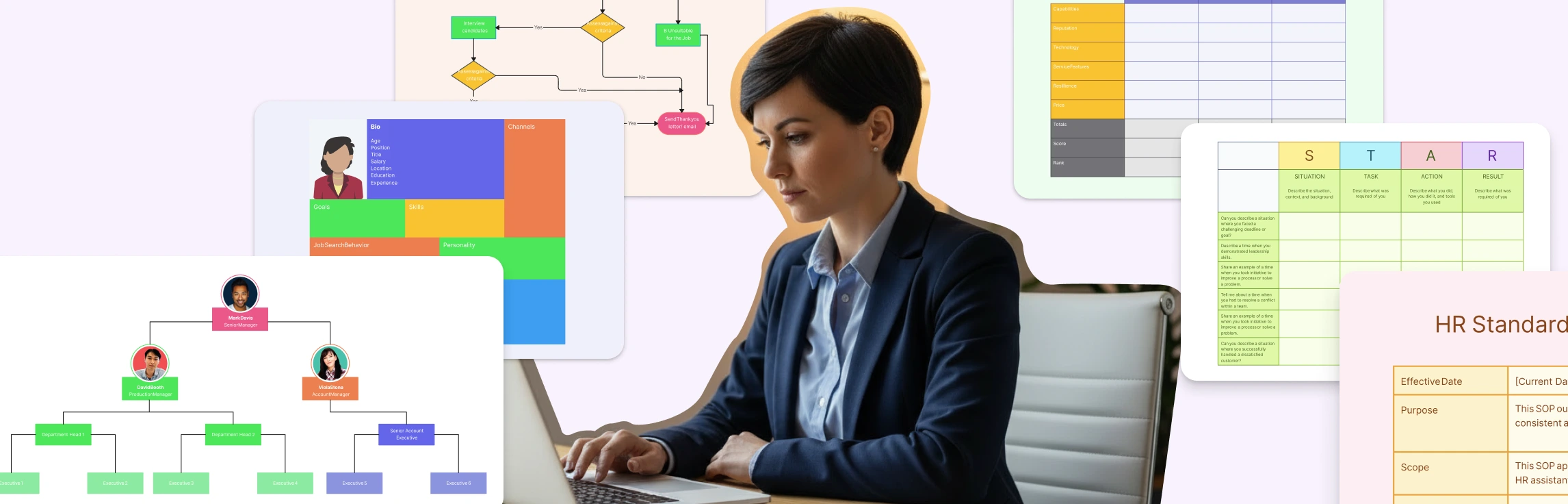
The recruitment process in HR shouldn’t feel like guesswork. When you’re coordinating applications, interviews, and tight deadlines, it is easy to lose sight of what supports a fair, effective hiring decision. This guide explains the seven steps in the recruitment process, from identifying a hiring need to onboarding. It also covers the benefits of a structured approach, practical best practices, and free templates that help hiring teams stay organized.
What is the Recruitment Process?
The recruitment process is the structured path organizations follow to find and hire the right talent. It brings clarity to every stage, from identifying a hiring need to selecting the best candidate, so you’re not guessing your way through important decisions. A well-run process helps you move faster, stay organized, and create a smoother experience for everyone involved, especially your future hires. It’s the foundation that turns a stressful search into a confident, repeatable system your team can rely on.
7 Steps in the Recruitment Process
While the specifics of the recruitment life cycle can differ between organizations depending on structure, workflows, and hiring needs, the goal remains the same: a well-designed recruitment process should guide your team toward selecting the right candidate with clarity and confidence.
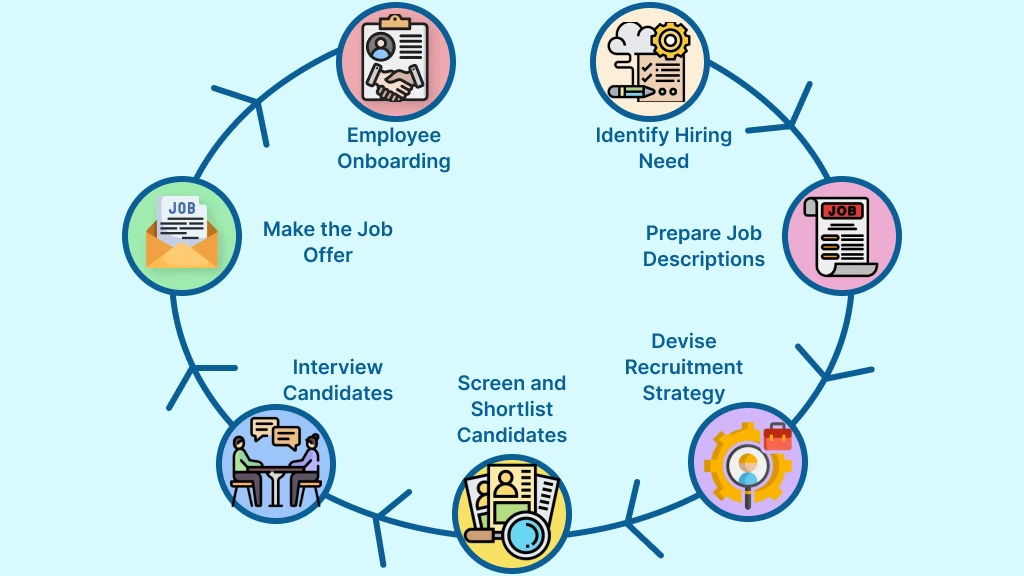
Step 1: Identify Hiring Need
The first step in the recruitment procedure is understanding why you need a new hire—whether someone resigned, a new role opened, or your team is overloaded. Reviewing your company org chart is a practical way to see existing roles, skills, and capacity. It quickly highlights gaps, clarifies responsibilities, and helps define the type of candidate you need, along with the essential skills and experience. A strong start here sets the foundation for everything that follows.


Step 2: Prepare Job Descriptions
Next, clearly outline what the role involves. A solid job description defines the responsibilities, required skills, and qualifications so both you and candidates know what success looks like. Before writing it, build a simple candidate persona—a quick snapshot of your ideal hire. It helps you understand what candidates value, where to find them, and how to communicate effectively. This makes job descriptions more relevant, sourcing more focused, and the hiring process steps smoother for everyone.

Step 3: Devise Recruitment Strategy
With the job description ready, decide how to attract the right candidates. Check for internal talent first, then explore external channels like job boards, referrals, social media recruiting, or reaching out to strong profiles online. Tailor each job ad to its platform to reach the right audience and appear in relevant searches. Many teams visualize the entire sourcing plan in a simple recruitment process flowchart to stay aligned, organized, and consistent throughout the hiring journey.

Step 4: Screen and Shortlist Candidates
Screening is one of the most demanding parts of hiring, but it is also where you identify candidates who meet the role’s requirements. Begin by filtering applications against the same job-related minimum criteria. Then compare the remaining candidates using relevant skills, experience, and qualifications. A simple decision matrix can help the hiring team apply agreed criteria consistently, but it should support—not replace—documented human judgment. A brief screening call can confirm role expectations, availability, and other relevant details before candidates move forward. Keep candidate records and decisions in your approved applicant tracking or HR system.

Step 5: Interview Candidates
Interviews—whether by phone, video, or in person—help you assess job-related skills, experience, and behaviors. Many teams use the STAR framework (Situation, Task, Action, Result) to structure behavioral questions and evaluate comparable evidence from each candidate. Use consistent questions and scoring criteria for the same role while providing reasonable accommodations where required. This creates a more respectful candidate experience and gives the hiring team clearer evidence for its decision.

Step 6: Make the Job Offer
After interviews, review each candidate against the documented, job-related criteria and complete reference or background checks only with the required consent and in accordance with applicable law. Record the decision and approvals in your organization’s hiring system. Then extend a clear written offer covering compensation, benefits, schedule, conditions, and the proposed start date. Be ready to discuss expectations and approved alternatives during negotiation. If the preferred candidate declines, return to the same evaluation criteria before approaching another shortlisted candidate.
Step 7: Employee Onboarding
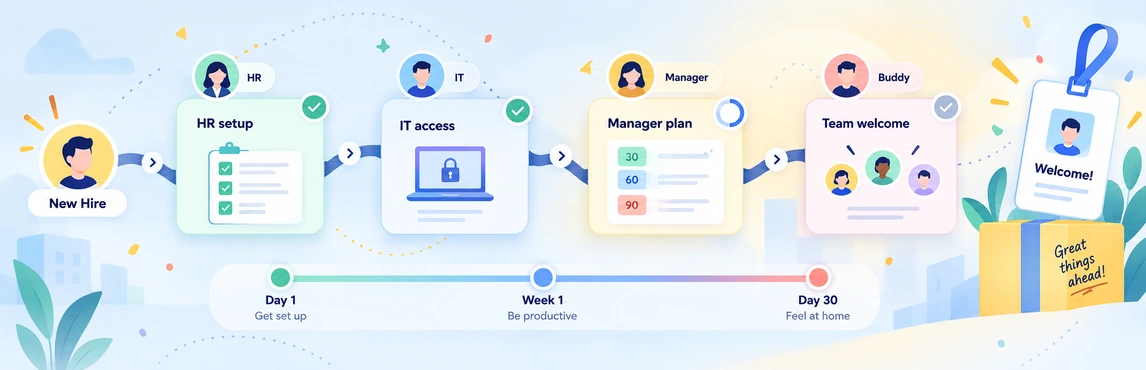
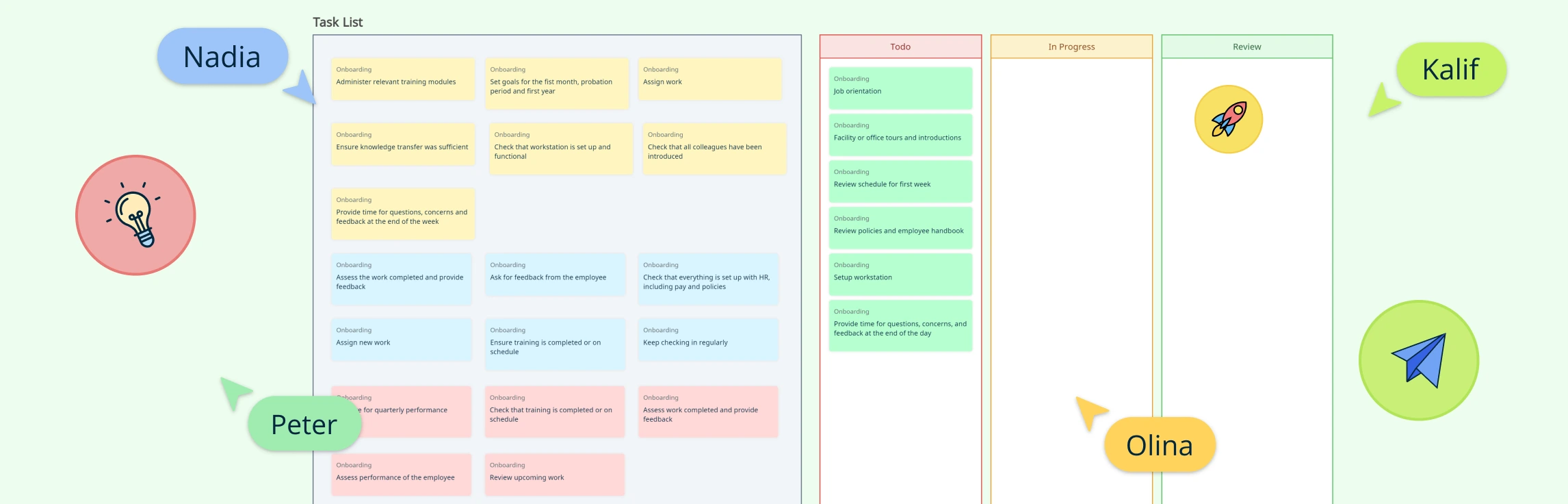
Onboarding is more than paperwork—it’s about helping your new hire feel supported and ready from day one. This includes completing documents, introducing them to the team, sharing key policies, and giving access to essential tools and training. Using an employee onboarding checklist helps keep everything organized and ensures nothing important is missed. A smooth onboarding experience sets the tone for engagement and helps the new employee settle into their role quickly and confidently.

Employee Recruitment Best Practices
Now that we have covered the seven stages of recruitment, let’s look at best practices that support confident hiring decisions and a better experience for every candidate.
Define clear job requirements: Clearly outline the job requirements, including skills, qualifications, and experience needed for the position. This helps attract candidates who closely match the desired criteria.
Develop a compelling employer brand: Build a strong employer brand by showcasing the organization’s values, culture, and benefits. Highlight the unique aspects that make your organization an attractive place to work, which can help attract top talent.
Utilize multiple sourcing channels: Don’t limit yourself to just one sourcing channel. Spread the word about job openings through online platforms, social media, and even ask your current employees for referrals. The more avenues you explore, the more talent you’ll find.
Streamline the application process: Keep the application process simple and stress-free. Minimize the number of steps and required documents, and provide clear instructions. A simple and straightforward application process enhances the candidate experience and encourages more applicants to complete the process.
Use job-related screening and assessment: Review applications against documented requirements, use validated assessments where appropriate, and ask consistent interview questions. Avoid criteria that are unrelated to the role, and handle candidate information according to your organization’s privacy and retention policies.
Implement structured interviews: Use structured interviews with the same set of questions for all candidates. This levels the playing field and ensures everyone gets a fair shot. Plus, it helps you make more accurate comparisons between candidates.
Involve multiple stakeholders: Involve others in the recruitment process. Your colleagues and team members can provide valuable insights and help evaluate candidates. Together, you’ll make better decisions and find the perfect fit.
Provide a positive candidate experience: Treat candidates like VIPs. Keep them informed, provide updates, and offer constructive feedback even if they don’t make the cut. A positive candidate experience will leave a lasting impression and encourage them to recommend your company to others.
Use lawful, role-relevant checks: Obtain the required consent and follow applicable employment, privacy, and anti-discrimination laws. Limit reference, qualification, or background checks to information that is relevant to the role and your organization’s policy.
Continuously evaluate and improve the recruitment process: Regularly review and evaluate the effectiveness of your recruitment process. Collect feedback from hiring managers, candidates, and other stakeholders to identify areas for improvement. Then, make tweaks and changes to make the process even better next time.
Benefits of Using an Effective Recruitment Process
Before you jump into sourcing or interviews, it helps to understand why a strong recruitment process matters, because the way you hire shapes everything that comes after.
Helps you hire the right people, faster: A clear recruitment process gives your hiring team a roadmap to follow. Everyone knows the steps, decisions move quicker, and you avoid costly mistakes or rushed choices.
Makes your company look organized and trustworthy: When your hiring process feels smooth and professional, candidates immediately notice. It shows that your team values clarity, structure, and respect for their time, qualities top talent always looks for.
Saves time and reduces hiring costs: Standardized steps, clear guidelines, and consistent workflows mean fewer delays and less back-and-forth. Your team spends less time fixing errors and more time connecting with great candidates.
Supports fairer, more consistent evaluation: Using the same job-related criteria and structured questions for candidates in the same role reduces inconsistency. Teams should also review hiring outcomes and seek qualified legal or HR guidance for applicable employment requirements.
Strengthens your employer brand: A positive hiring experience with clear communication, timely updates, and respectful interactions makes candidates far more likely to recommend your company, even if they weren’t selected.
Improves hiring decisions: Structured evaluation criteria help teams compare relevant evidence consistently. This keeps attention on the skills, qualifications, and role-related behaviors that matter instead of relying on intuition alone.
Sets employees up for success from day one: A good recruitment process creates a smoother handoff into onboarding. When candidates know what to expect and feel supported, they settle in faster, stay engaged longer, and are more likely to grow with the company.
How Creately Helps Teams Map and Improve the Recruitment Process
Visual Workflow & Process Mapping
Use Creately’s process mapping software to visualize the hiring workflow with customizable flowcharts, org charts, and process maps. Show stages, decision points, owners, and handoffs from requisition approval through onboarding.
Scale and adapt easily with an infinite canvas that grows as your hiring needs expand with no page limits and no clutter.
Candidate Evaluation & Decision-Making
Use decision matrices to define and discuss job-related evaluation criteria before screening begins. Keep candidate scores, applications, and final hiring decisions in your approved applicant tracking or HR system.
Map the recruitment stages and decision points to expose delays, unclear responsibilities, and handoff gaps—from requisition approval through onboarding.
Compare the current recruitment workflow with a proposed future-state process so stakeholders can agree on practical improvements.
Collaboration & Alignment
Collaborate in real time with recruiters, hiring managers, and stakeholders as they review the recruitment process and propose improvements.
Use comments and @mentions to gather feedback on the process map, clarify handoffs, and keep the discussion connected to the relevant workflow.
Documentation & Standardization
Keep process guidance connected to the map with notes, links, and supporting files. Assign process owners and document handoffs so teams know who maintains each stage while sensitive candidate records remain in approved HR systems.
Standardize and maintain recruitment workflows with reusable process maps and checklists. As policies or responsibilities change, stakeholders can comment on the map and process owners can update the shared visual reference.
Free Recruitment Templates to Get Started


FAQs on Recruitment Process Steps
Can I skip any recruitment process steps if I’m hiring urgently?
Which steps of the recruitment process have the most delays?
How can small teams manage all 7 steps efficiently?
What metrics help measure the effectiveness of the recruitment process?
What are the different types of recruitment?
What are the common recruitment challenges in the 7 steps?
Resources
Münstermann, Björn, et al. “The Performance Impact of Business Process Standardization.” Business Process Management Journal, vol. 16, no. 1, 9 Feb. 2010, pp. 29–56, https://doi.org/10.1108/14637151011017930.
Taylor, M. Susan, And Thomas J. Bergmann. “Organizational Recruitment Activities And Applicants’ Reactions At Different Stages Of The Recruitment Process.” Personnel Psychology, vol. 40, no. 2, June 1987, pp. 261–285, https://doi.org/10.1111/j.1744-6570.1987.tb00604.x.




Global workforce
Great read! Your writing style is so engaging and easy to follow. I’ve been reading up on this topic lately, and this is by far one of the clearest summaries I’ve come across. Looking forward to your next post! Visit us—https://globalworkforcehr.com/