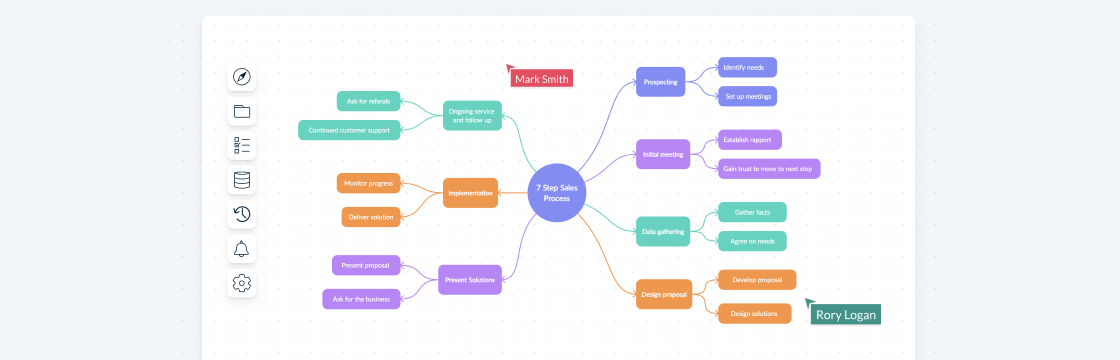
If your sales team feels like it’s constantly chasing leads, juggling scattered workflows, or struggling with slow deal cycles, you’re not alone. Many teams lose valuable time and revenue simply because there’s no clear, shared roadmap for the sales process. That’s where sales process mapping comes in. By visually outlining every step—from lead generation to closing—you can eliminate confusion, align your team, and make your sales workflows faster, clearer, and more effective. In this guide, we’ll walk you through what sales process mapping is, its key components, practical examples, ready-to-use templates, and actionable tips to optimize your sales process for maximum results.
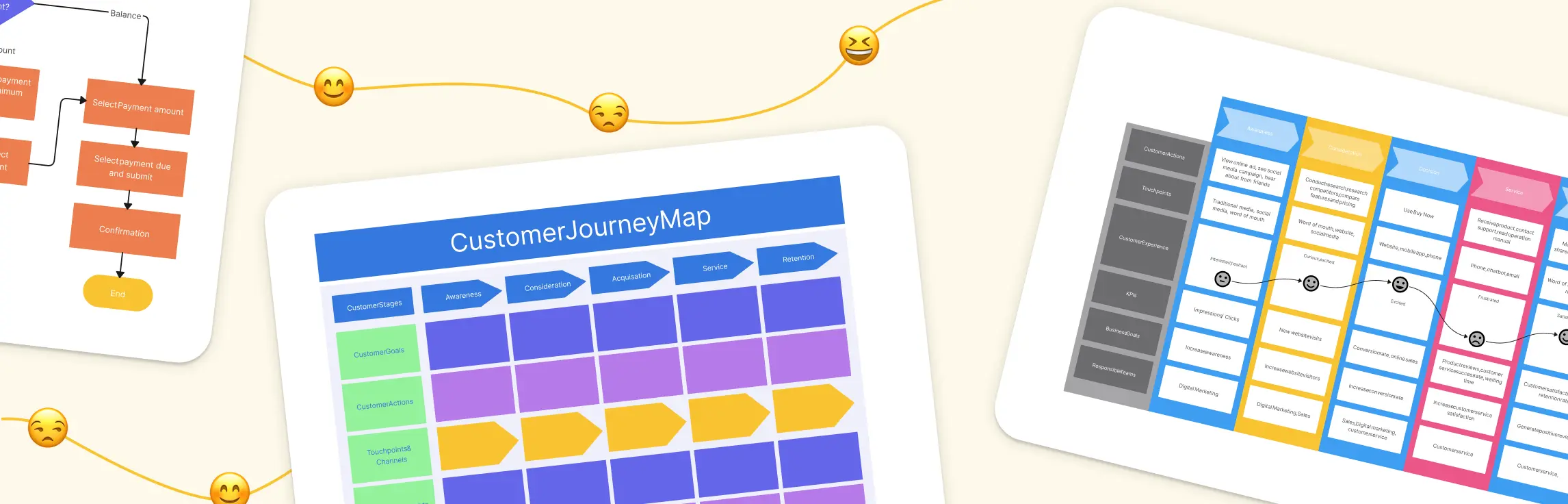
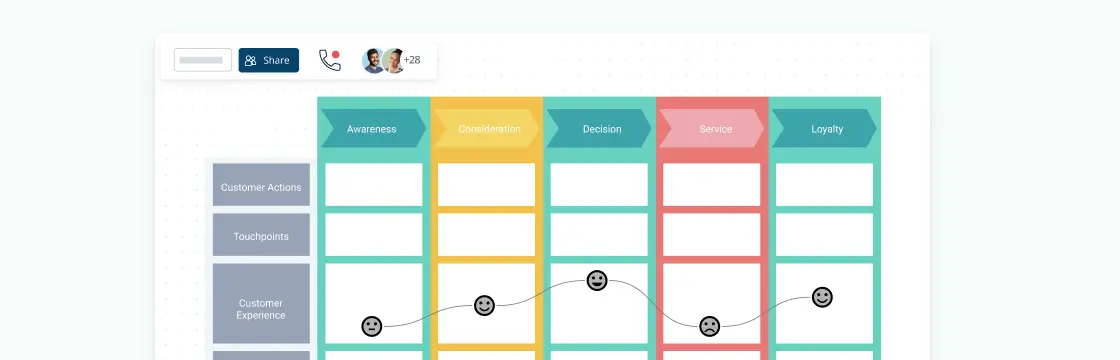
Creating a customer journey map helps you see your business through your customers’ eyes. It uncovers pain points, highlights opportunities, and shows exactly where improvements can make the biggest impact.
Understanding what is the customer journey is important in today’s business landscape, where customer-centric strategies drive market success. A customer journey includes every interaction a customer has with a brand, from initial awareness to post-purchase behavior.
A well-structured sales process flowchart is essential for streamlining sales operations, improving efficiency, and driving revenue growth. By visually mapping out each stage of the sales journey, businesses can identify bottlenecks, optimize workflows, and enhance overall sales performance.
This guide explores what is a customer journey map and its key components, stages, and types, along with their benefits and real-world examples. It also highlights how journey mapping has evolved and clarifies how it differs from related tools, giving you a complete understanding of this essential business tool.