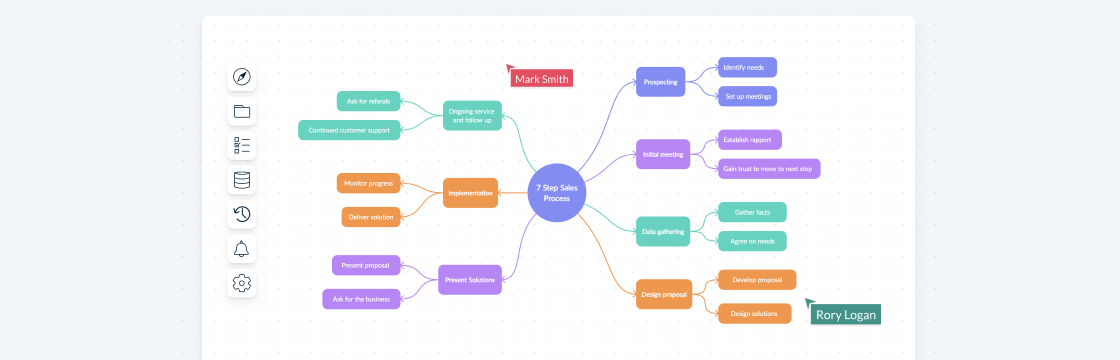
When sales stages, responsibilities, and handoffs are unclear, leads can stall and teams may apply the process inconsistently. Sales process mapping makes the workflow visible from lead generation through closing, including the decisions, roles, systems, and customer touchpoints involved. This guide explains what a sales process map is, how to create one, which mapping methods to use, and how to keep the map useful as your sales process evolves.
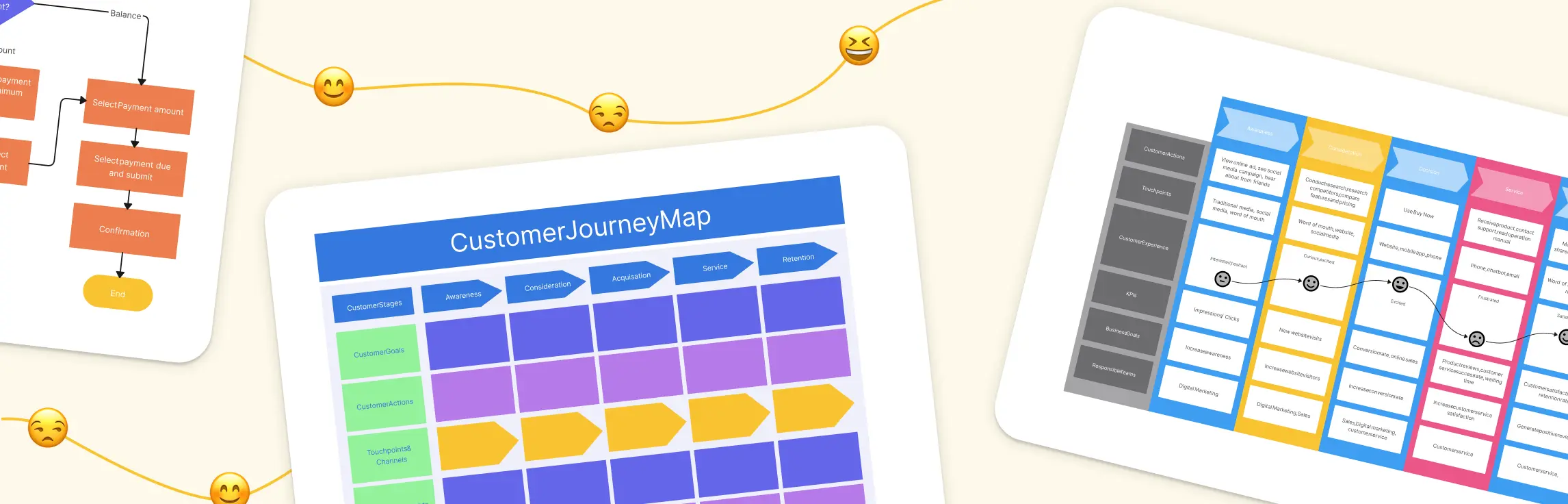
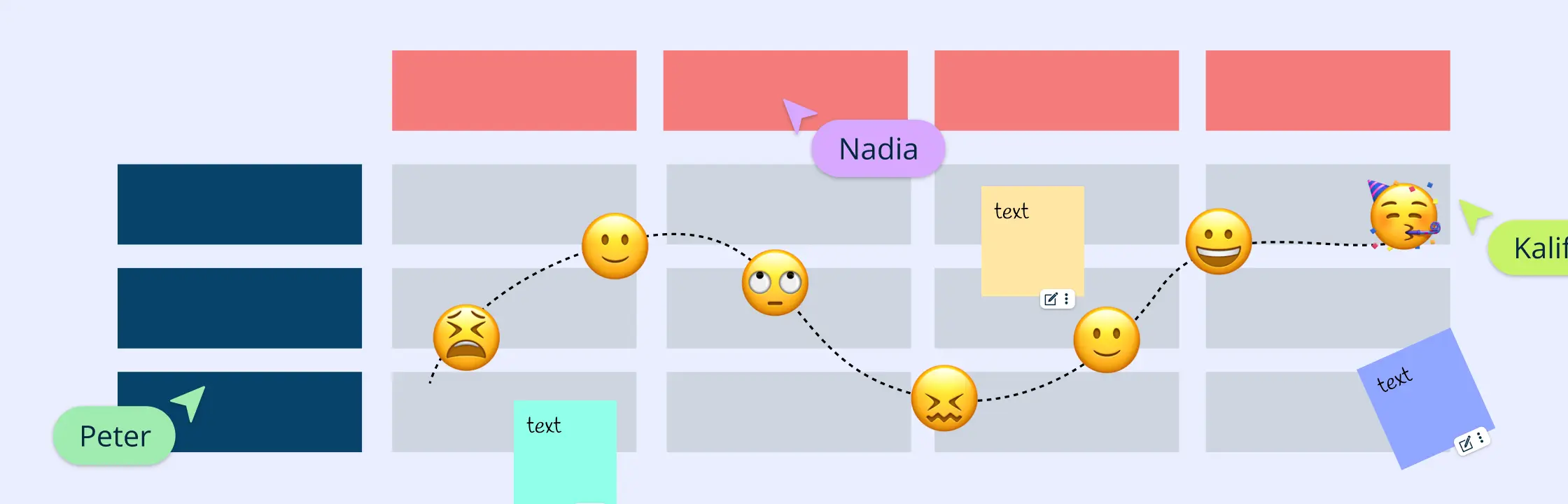
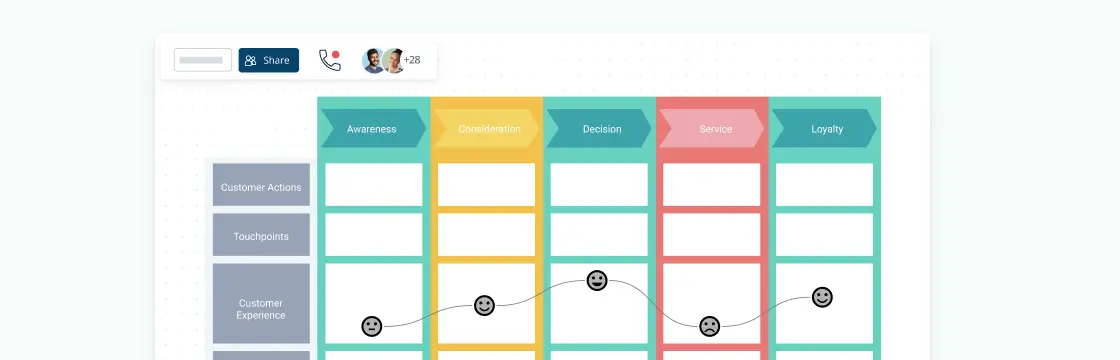
Creating a customer journey map helps you see your business through your customers’ eyes. It uncovers pain points, highlights opportunities, and shows exactly where improvements can make the biggest impact.
Understanding what is the customer journey is important in today’s business landscape, where customer-centric strategies drive market success. A customer journey includes every interaction a customer has with a brand, from initial awareness to post-purchase behavior.
A sales process flowchart visualizes how opportunities move through sales stages, decisions, activities, and handoffs. It gives teams a shared view of the current workflow so they can investigate bottlenecks, unclear criteria, duplicated effort, and gaps between sales and adjacent teams.
This guide explores what is a customer journey map and its key components, stages, and types, along with their benefits and real-world examples. It also highlights how journey mapping has evolved and clarifies how it differs from related tools, giving you a complete understanding of this essential business tool.