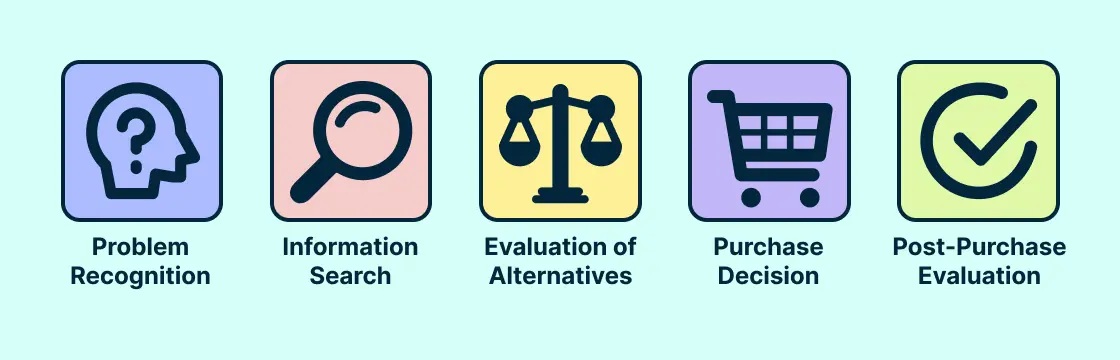
The consumer decision-making process is a marketing framework for understanding how people recognize a need, search for information, evaluate alternatives, decide whether to buy, and assess the outcome afterward. The model helps businesses organize customer research and identify where useful information, trustworthy experiences, or operational improvements may reduce friction. Consumers do not always complete every stage or follow them in a fixed order, especially for familiar or low-involvement purchases.
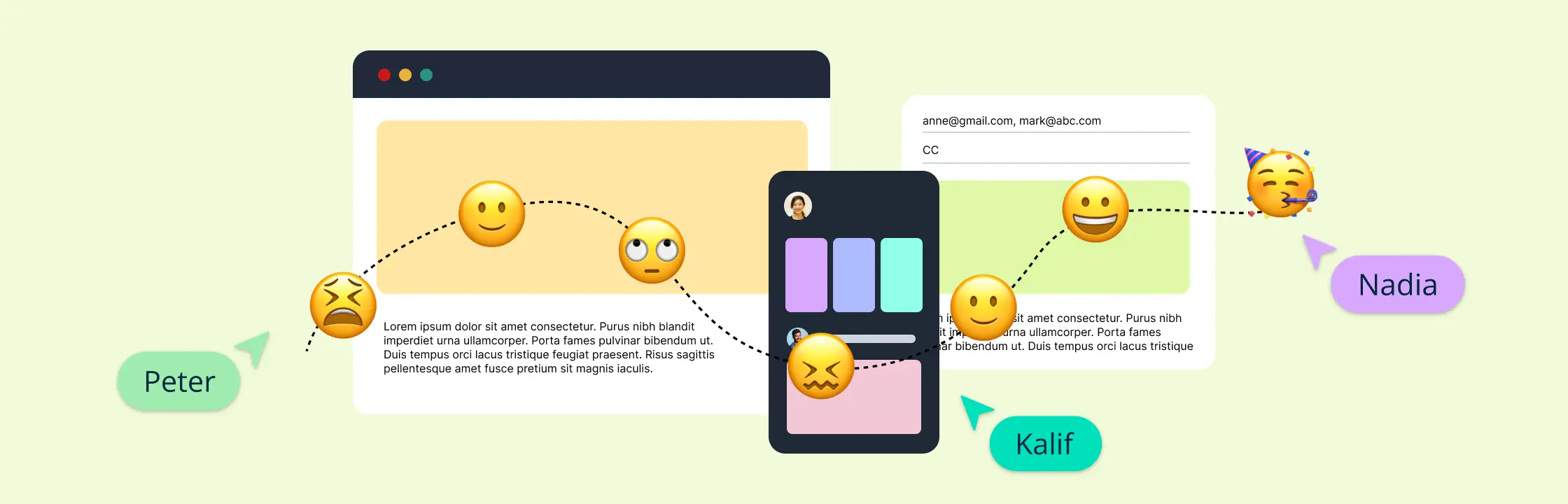
The digital customer journey is a comprehensive path that customers follow from the initial awareness of a brand to the post-purchase interactions that lead to loyalty and advocacy. In today’s digital age, understanding this journey is crucial for businesses aiming to optimize customer experience and achieve significant business outcomes.
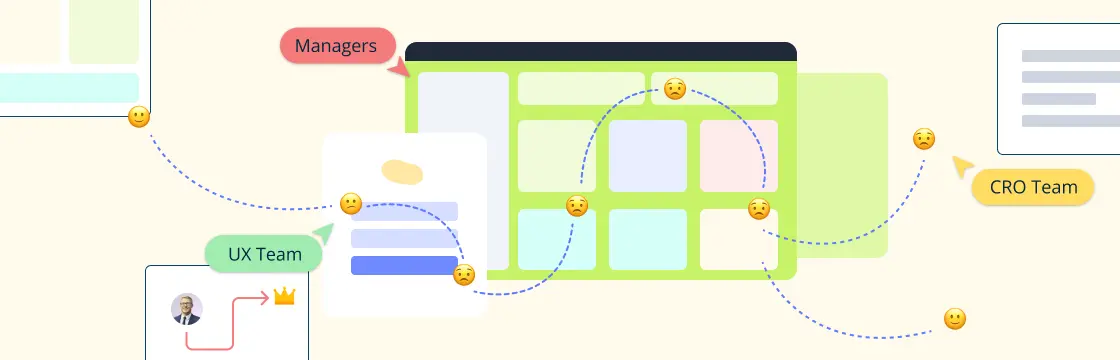
Understanding customer pain points is important in any business context, as these are the specific problems that potential and current customers experience during their journey with a product or service. Identifying and resolving these pain points not only improves customer satisfaction but also significantly impacts customer loyalty and business growth. In this guide we will look at what customer pain points are, how to identify them and solve them.