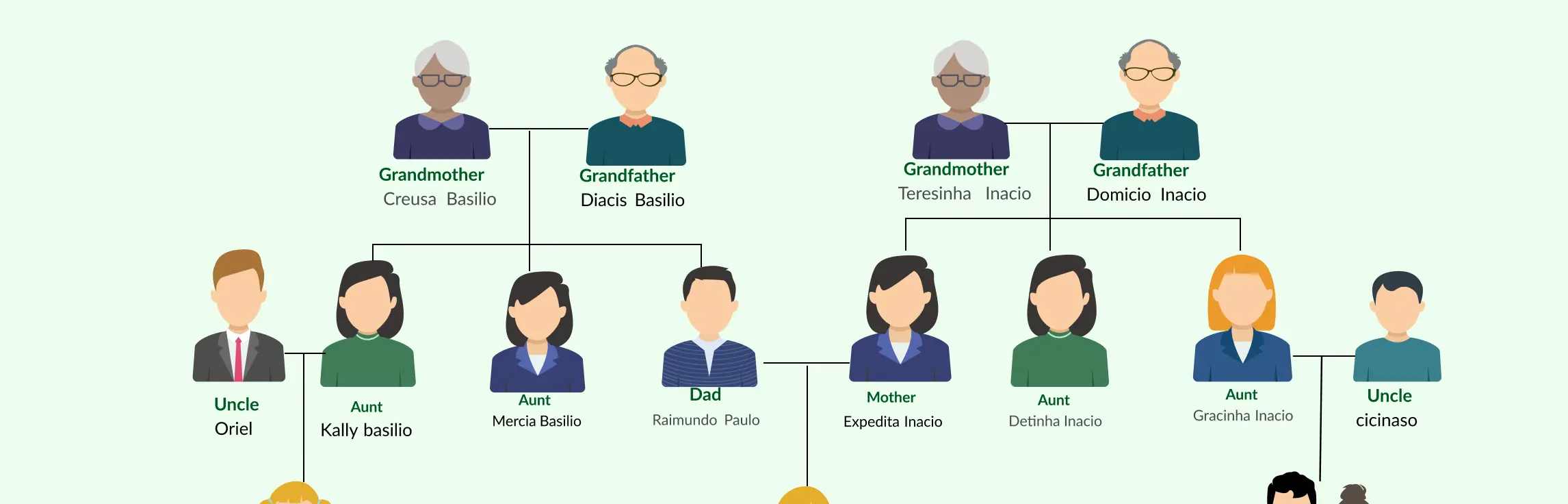
Keeping track of family connections can be confusing; names, relationships, generations, and stories often get scattered across notebooks, emails, or old photo albums. That’s where family trees come in: they turn complicated family histories into a clear, visual map that’s easy to understand. In this guide, we’ll explore the different types of family trees, why each format exists, and how to choose the right one for your purpose.
What Is a Family Tree?
A family tree is a visual diagram that shows how family members are connected across generations. It starts with a single person, couple, or ancestor and branches out to represent parents, children, siblings, and extended relatives in a clear, easy-to-follow structure. Instead of listing names or dates in long documents, a family tree turns complex relationships into a simple visual story.
At its core, a family tree helps you see who is related to whom and how, from grandparents and great-grandparents to future generations. This visual format makes it much easier to understand lineage, spot patterns, and trace connections that might otherwise feel confusing or overwhelming.
Why There Are Different Types of Family Charts
Not all family stories are the same, so it makes sense that one family tree format can’t do it all. Some people want to trace ancestry across centuries, others need to understand health patterns, while professionals like educators or counselors focus more on relationships and dynamics. That’s exactly why multiple family tree types and types of family charts exist.
The structure you choose should always match your purpose:
- Heritage & ancestry: Traditional family trees work best when the goal is to document lineage, generations, and surnames over time.
- Health & genetics: More detailed charts are needed to track inherited conditions, medical history, and risk factors across generations.
- Relationships & behavior: Visuals that capture emotional connections, conflicts, and social patterns offer deeper insight than names and dates alone.
Key Differences Explained: A Quick Comparison
| Type of Family Chart | Primary Focus | What It Shows | Best Used For |
| Traditional Family Tree | Ancestry and bloodlines | Parent–child relationships, generations, surnames, and lineage in a top-down or side-to-side layout | Genealogy, personal history, education |
| Expanded Family Chart | Complex family structures | Extended relatives, remarriages, adoptions, stepfamilies, and blended families | Modern families, detailed family mapping |
| Genogram | Relationships and patterns | Family connections plus emotional bonds, medical history, and social patterns | Healthcare, counseling, social work, therapy |
When to Use Family Trees
Family trees aren’t just decorative—they’re powerful tools that help you organize, understand, and share family information in a clear visual way. Here are the most common scenarios where family trees add value:
Tracing Ancestry and Heritage
Ideal for anyone looking to preserve family history or explore generations of ancestors. Whether for personal interest, cultural research, or genealogy projects, a family tree provides a visual overview of lineage.
Education and Learning
Teachers and students can use family trees to illustrate historical or cultural connections. They make lessons more engaging, helping learners understand relationships and generational patterns.
Healthcare and Medical History
Family trees can track hereditary conditions and genetic risks, making it easier for healthcare professionals or families to identify patterns and make informed decisions.
Counseling and Therapy
Counselors, therapists, and social workers use family trees to map relationships, emotional connections, and family dynamics. They provide insight into behavioral patterns and generational influences.
Celebrations and Events
Planning family reunions, weddings, or milestone events becomes easier when you have a visual map of relatives, showing connections and generations at a glance.
Different Types of Family Trees
When people search for types of family trees, they’re usually trying to answer one simple question: Which family tree layout works best for my situation? The truth is, different goals call for different structures. Below are the most commonly used family tree types, explained with practical examples to help you choose the right one quickly.
Traditional Family Tree (Ancestral Tree)
The traditional family tree, also known as an ancestral tree, is the format most people recognize instantly. It uses a top-down or bottom-up layout to show how generations are connected through direct lineage.
This type of family tree is best for ancestry and heritage tracking, making it ideal for documenting parents, grandparents, and earlier generations. It’s widely used in schools, genealogy projects, and personal family history records because it’s simple, familiar, and easy to understand at a glance.

Descendant Family Tree
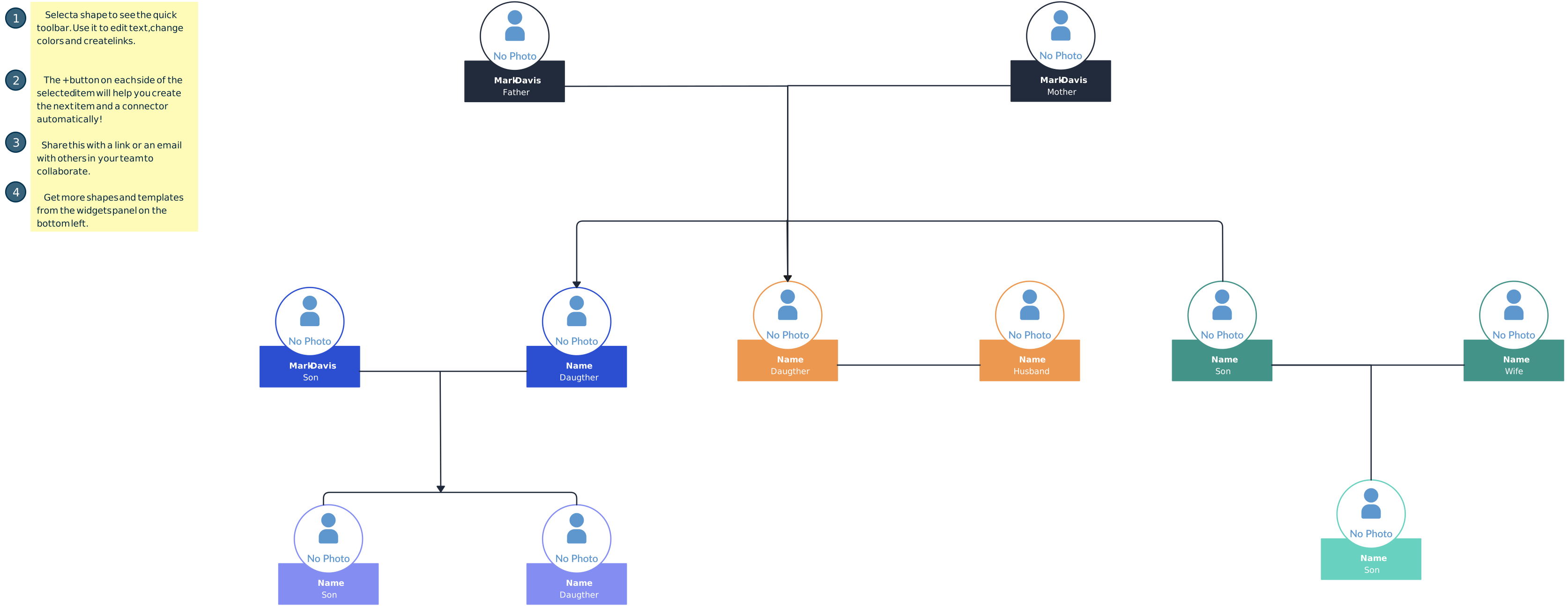
A descendant family tree starts with a single ancestor and branches forward through children, grandchildren, and future generations. Instead of looking backward, it focuses on how a family line expands over time.
This structure works especially well for large families or when you want to map a family’s legacy across multiple generations. It’s commonly used in family reunions, heritage books, and long-term lineage documentation.
Vertical Family Tree
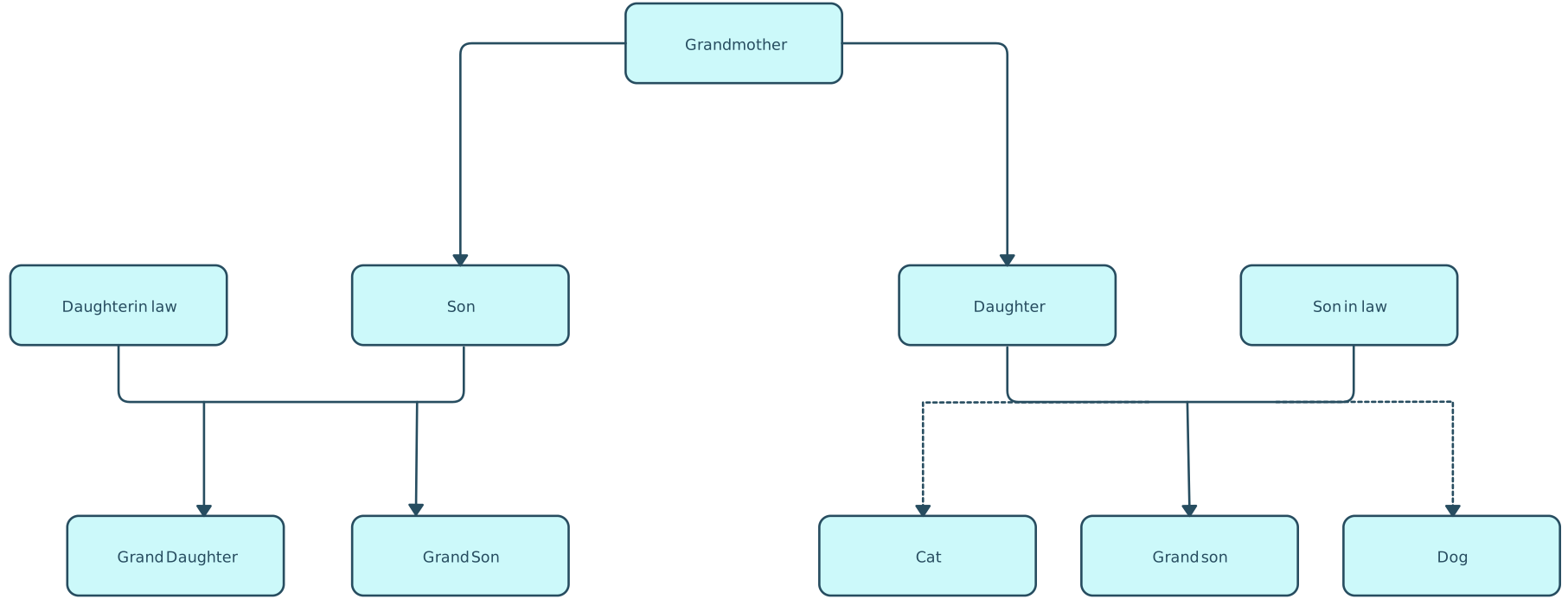
A vertical family tree arranges generations in a straight, linear format, usually flowing from top to bottom. Its compact design makes it one of the most space-efficient family tree types available.
This layout is perfect for documents, reports, and presentations, where space and clarity matter. If you need a clean family tree that fits neatly into a page or slide, a vertical structure is often the best choice.
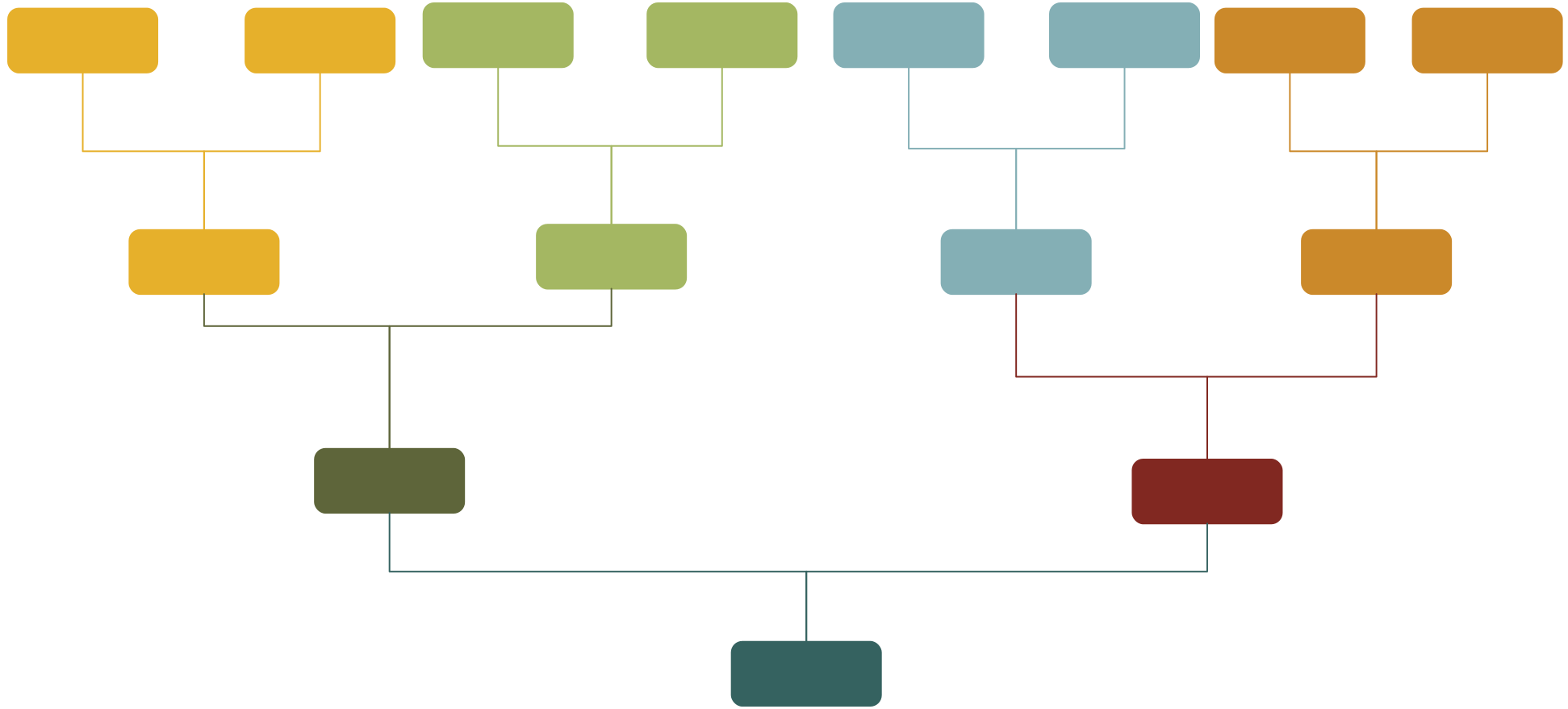
Horizontal Family Tree
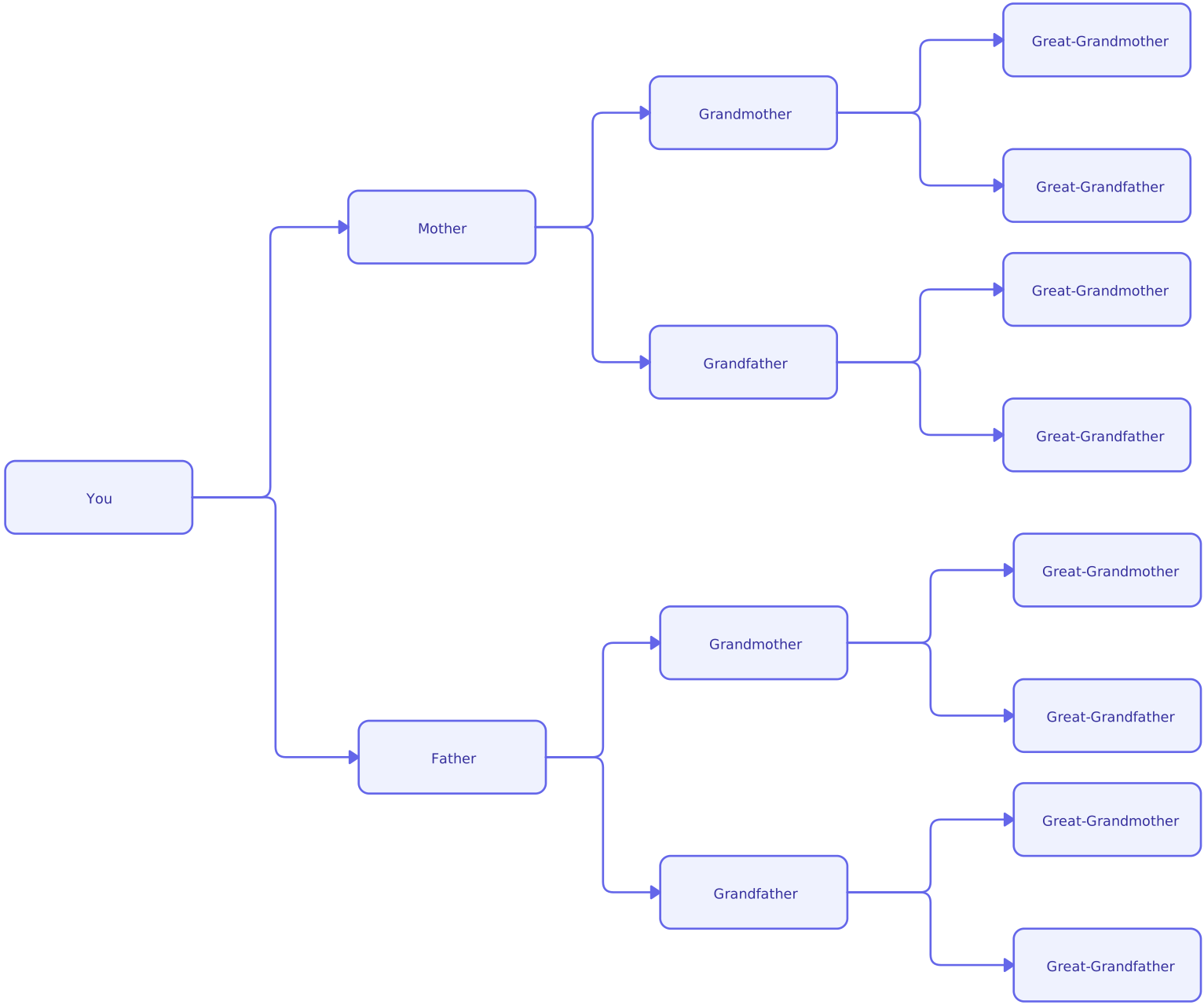
A horizontal family tree spreads generations from left to right, creating a timeline-style view of family relationships. This format naturally emphasizes the passage of time and generational flow.
Because of its storytelling feel, this type works well for visual narratives, classroom explanations, and presentations where you want readers to follow the family history step by step.
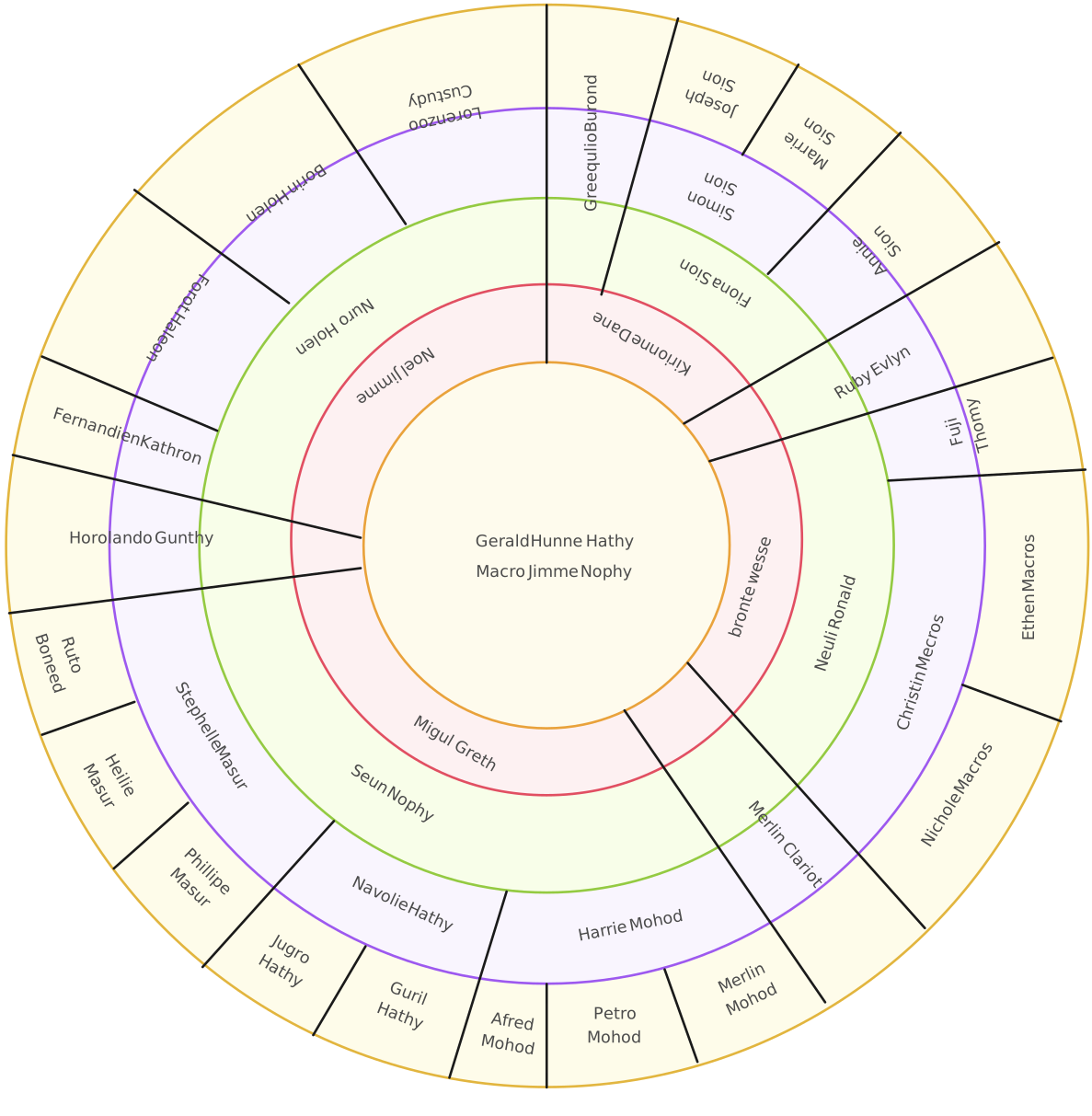
Fan Chart Family Tree
A fan chart family tree uses a circular layout, with the starting person at the center and each generation expanding outward in curved arcs. This design makes it easy to see multiple generations at once without overwhelming the viewer.
Fan charts are especially popular in genealogy and heritage studies, where visual appeal and generational clarity are equally important. They’re a great option when you want a family tree that’s both informative and visually striking.
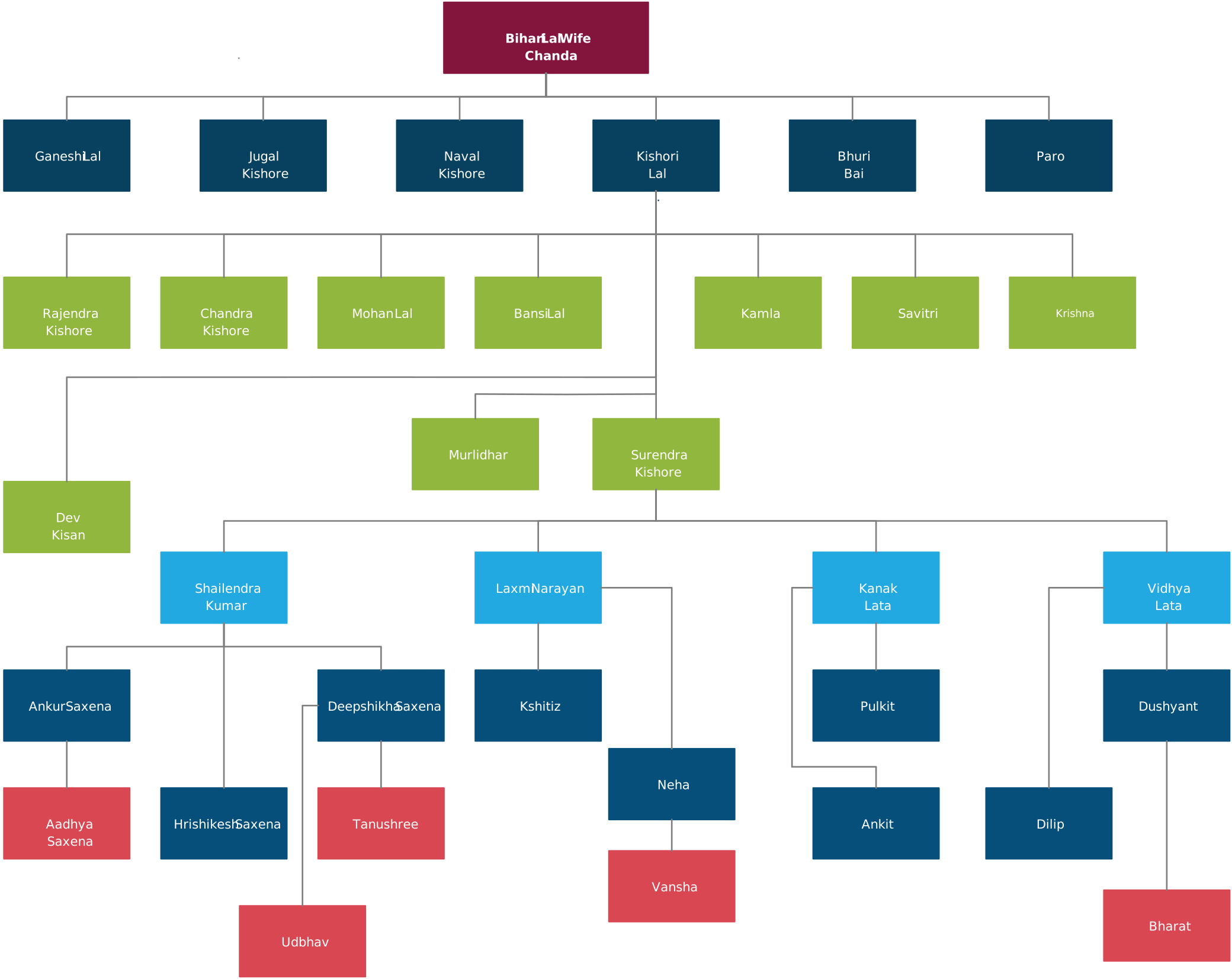
Extended Family Tree
An extended family tree goes beyond parents and children to include cousins, in-laws, step-relatives, adoptions, and non-traditional relationships. It reflects how modern families are actually structured today.
This is one of the most flexible different types of family tree, making it ideal for blended families or anyone who wants a more realistic picture of family connections rather than a simplified lineage chart.
Creating a family tree doesn’t have to be overwhelming. From traditional ancestral charts to genograms that map emotional and medical patterns, each type of family tree serves a unique purpose—whether for preserving heritage, tracking health history, or understanding family dynamics. By choosing the right structure and using tools like Creately, you can visualize complex relationships clearly, collaborate easily, and bring your family story to life. Start exploring your family connections today with Creately’s ready-made templates and see how effortless creating your own family tree can be!
Resources:
Dumont, Raymonde H. “Drawing a Family Map: An Experiential Tool for Engaging Children in Family Therapy.” Journal of Family Therapy, vol. 30, no. 3, Aug. 2008, pp. 247–259, https://doi.org/10.1111/j.1467-6427.2008.00429.x.
Lambrecht, Johan, and Jozef Lievens. “Pruning the Family Tree: An Unexplored Path to Family Business Continuity and Family Harmony.” Family Business Review, vol. 21, no. 4, Dec. 2008, pp. 295–313, https://doi.org/10.1177/08944865080210040103.